Compost-the ultimate determinant for everything else you apply in soil
Why Your Soil Needs Compost — and What Happens When It Doesn’t Get It | Shamba Mtaani Blogshambamtaani.com
🌍 Soil Health & Fertility
You Are Feeding Your Crop. But Is Your Soil Ready to Feed It Back?
Why compost is not just a fertilizer — it is the foundation that decides whether everything else you apply actually works
✍️ Shamba Mtaani Agronomy Team📅 March 2026⏱ 10 min read
Many Kenyan farmers do everything right on the surface. They buy good seed. They apply DAP at planting. They top-dress with CAN. They spray for pests and diseases. And yet — season after season — the yields remain disappointing, stubbornly below what the same land should be capable of producing. The problem, in most cases, is not what they are putting into the crop. It is what is missing from the soil underneath it.
Healthy soil is not just a growing medium — it is a living system with its own chemistry, biology, and physical structure. When that system is working well, it takes the fertilizer you apply and turns it into maximum yield. When it is degraded — as it is on many Kenyan farms today — even the best fertilizers are only partially absorbed, nutrients are lost before the plant can reach them, and yield potential is silently capped well below what the seed is capable of.
This article explains the hidden science of why compost is one of the most powerful things you can add to your farm — not just as a nutrient source, but as the foundation that unlocks everything else. We will explore organic matter, organic carbon, humic substances, soil microorganisms, beneficial fungi, cation exchange capacity, and the stubborn problem of phosphorus lock-up that is quietly costing Kenyan farmers millions of shillings in wasted fertilizer every season.
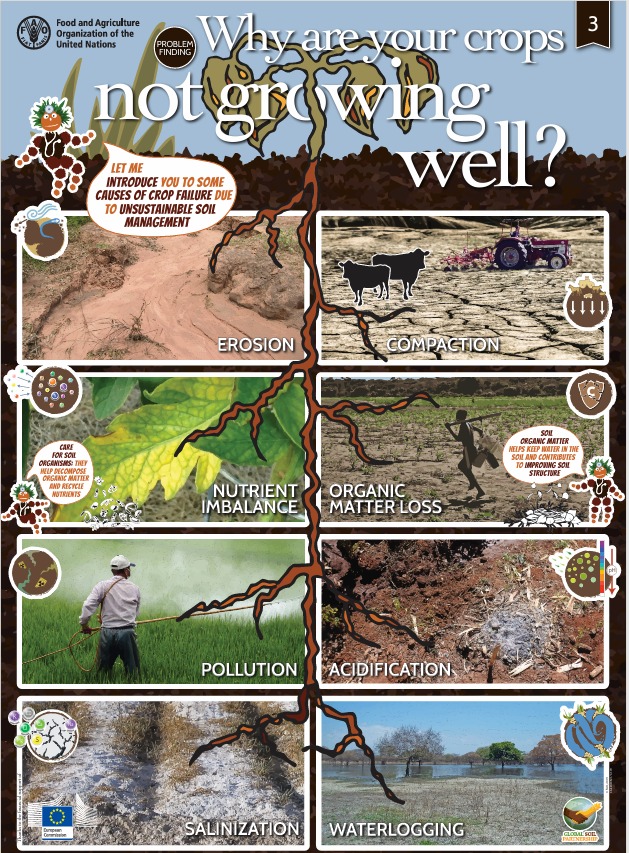
causes of crop failure due to unsustainable soil management
The Quiet Decline: What Has Happened to Kenya’s Soils
Over the past 40–50 years, the organic matter content of many Kenyan soils has fallen sharply. Studies by CIMMYT and KALRO show that organic matter levels on smallholder farms in the central highlands, the Rift Valley, and western Kenya have declined from healthy levels of 3–5% down to 1% or below on many continuously cultivated plots — and some as low as 0.3%.
How did this happen? Crop residues — the maize stalks, bean stems, and vegetable materials that should be returned to the soil — are instead burned or removed after every harvest. Manure from livestock is often underutilised or applied raw without composting. Chemical fertilizers have been used year after year without organic matter replenishment. Tillage has exposed the soil, accelerating the breakdown and loss of whatever organic matter remained.
The result is soil that looks like soil but has lost its engine. It still holds a plant upright. But it can no longer do the complex biological and chemical work that turns good management into great yields.
“Organic matter is to the soil what an engine is to a car. You can have a beautiful vehicle with a full tank of fuel — but if the engine is broken, it goes nowhere.”
What Compost Actually Does: The Four Pillars of Soil Health
When people think of compost, they tend to think of it as a slow-release organic fertilizer — a way to add nitrogen, phosphorus and potassium without buying bags. That is part of what compost does. But the more important work that quality compost performs is deeper than that, operating through four interconnected mechanisms that collectively transform how your soil functions.
🔥
1. Organic Carbon — Soil’s Energy Currency
Organic carbon is the energy source for the entire soil food web. Without it, soil microorganisms have nothing to eat, nothing to decompose, and nothing to convert into plant-available nutrients. Every living and working part of your soil runs on organic carbon.
🧲
2. Humic Substances — Nature’s Nutrient Glue
Humic and fulvic acids are complex organic compounds that form when microbes break down plant and animal materials. They act as a bridge between soil particles and nutrients, dramatically improving the soil’s capacity to hold and release nutrients to plant roots.
🦠
3. Soil Microorganisms — The Living Workforce
A single teaspoon of healthy soil contains more microorganisms than there are people on earth. Bacteria, fungi, protozoa and nematodes cycle nutrients, protect roots from disease, fix nitrogen from the air, and unlock phosphorus and minerals locked in soil particles.
🏗️
4. Soil Structure — The Physical Foundation
Compost binds soil particles into aggregates — small clumps that create pore spaces for air and water movement. This improves drainage on heavy clay soils, water retention on sandy soils, and root penetration on compacted soils. Structure determines how well everything else works.
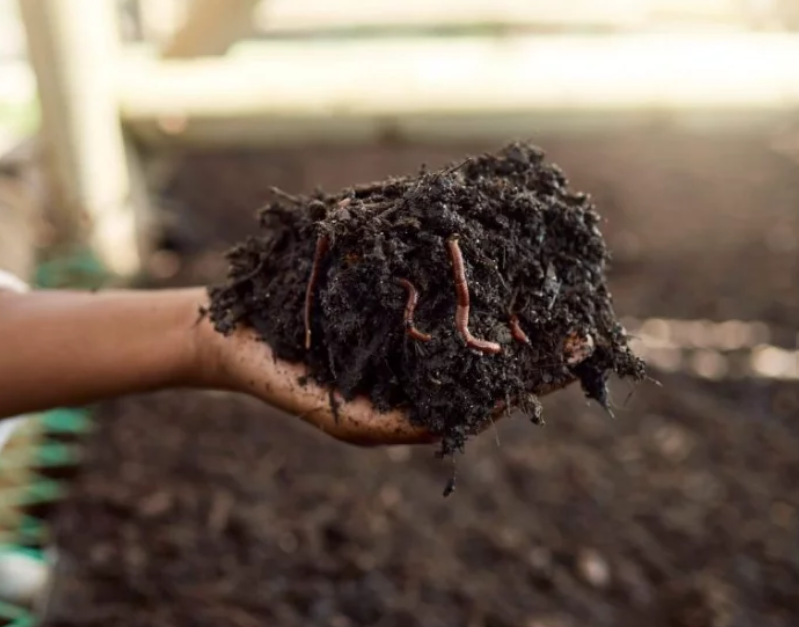
healthy organic soil
Organic Carbon: The Engine That Must Be Running
Let us start with organic carbon, because everything else in this article depends on it.
Organic carbon is the carbon portion of decomposed plant and animal materials in the soil. It sounds like a technical measurement — and it is. But what it represents practically is the total energy available to the organisms that make your soil work. When organic carbon is high, there is abundant food for bacteria, fungi, and other soil life. They are active, they reproduce, they break things down, they release nutrients, they build soil aggregates. The whole system runs.
When organic carbon falls below about 1% — which is where many Kenyan farm soils now sit — that activity collapses. Microbial populations shrink. Nutrient cycling slows. The soil becomes biologically inert: still physically present, but no longer doing the work that makes it productive.
🔬 Key Concept
What Is Soil Organic Carbon (SOC)?
Soil Organic Carbon (SOC) is the carbon stored in soil organic matter — decomposed or decomposing plant material, animal matter, and microbial biomass. It is typically measured as a percentage of soil weight. A soil with 3% organic matter contains roughly 1.7% organic carbon.
Kenyan agricultural soils that are in good health typically have SOC above 2%. Many continuously cropped smallholder soils have fallen to 0.5–1%, severely limiting their productive capacity. Compost is one of the most direct ways to restore and maintain SOC.
Crucially: CropNuts soil analysis reports your soil’s organic matter percentage — so you can know exactly where your farm stands and how urgently it needs replenishment.
Humic and Fulvic Acids: The Chemistry That Makes Nutrients Stick
When organic matter — including compost — decomposes fully, it does not simply disappear. Some of it transforms into a group of complex, stable compounds called humic substances: primarily humic acid and fulvic acid. These are some of the most powerful and underappreciated components of fertile soil.
Think of humic and fulvic acids as incredibly sticky molecules that float through the soil solution, attaching themselves to both soil particles and nutrient ions. They do something remarkable: they act as a reservoir and a bridge — holding nutrients that would otherwise leach out of the soil during rain, and then releasing them gradually to plant roots as needed.
Here is why this matters for your fertilizer spending:
When you apply CAN (nitrogen) to a soil low in humic acids, the nitrogen is poorly retained. Rainfall washes it through the soil profile before roots can capture it. Studies show that nitrogen use efficiency on low organic matter soils can be as low as 20–30% — meaning 70–80% of what you pay for is lost.
Fulvic acid, which is the smaller and more mobile of the two compounds, penetrates plant roots directly and carries micronutrients with it. It is effectively a natural chelating agent — making trace elements like zinc, iron, and manganese more available to the plant.
Humic acids also improve the physical structure of soil by binding clay and sand particles together into stable aggregates — improving both aeration and water retention simultaneously.
💡
In plain terms: A soil rich in humic substances holds your fertilizer longer, releases it more efficiently to the plant, and reduces the amount you need to apply to get the same result. Compost is the most sustainable way to build humic substance levels in your soil over time.
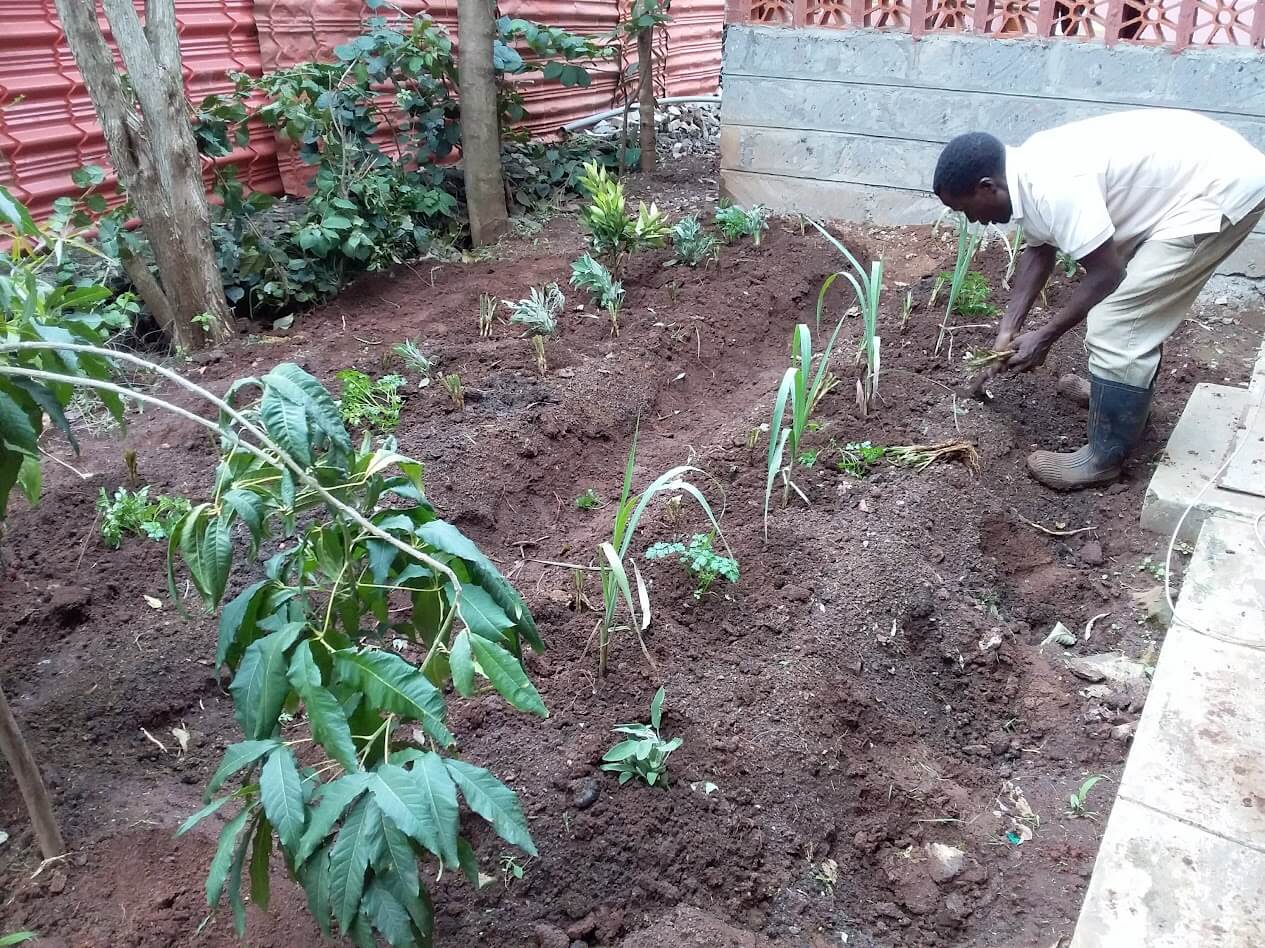
incorporating compost into soil
The Soil Food Web: Your Farm’s Underground Workforce
Below every productive farm is a workforce you cannot see. Billions upon billions of microorganisms — bacteria, fungi, protozoa, nematodes, and micro-arthropods — interact in a complex food web that drives the cycling of every nutrient your crop needs. This system is called the soil food web, and organic matter — supplied by compost — is its food source and habitat.
When you apply a bag of CAN to your field, the nitrogen in it does not immediately become available to your plant in a form it can absorb. Much of that process depends on microbial activity: bacteria that convert nitrogen between chemical forms, fungi that extend the reach of plant roots, and predatory organisms that release nutrients locked inside bacterial cells. Without a thriving soil food web, nutrient cycling is sluggish, and fertilizer efficiency falls.
Quality compost — particularly compost made with EM 1 — introduces and feeds this entire community. It is not just adding nutrients; it is rebuilding the living infrastructure that converts inputs into yield.
Beneficial Fungi: The Invisible Root System Extension
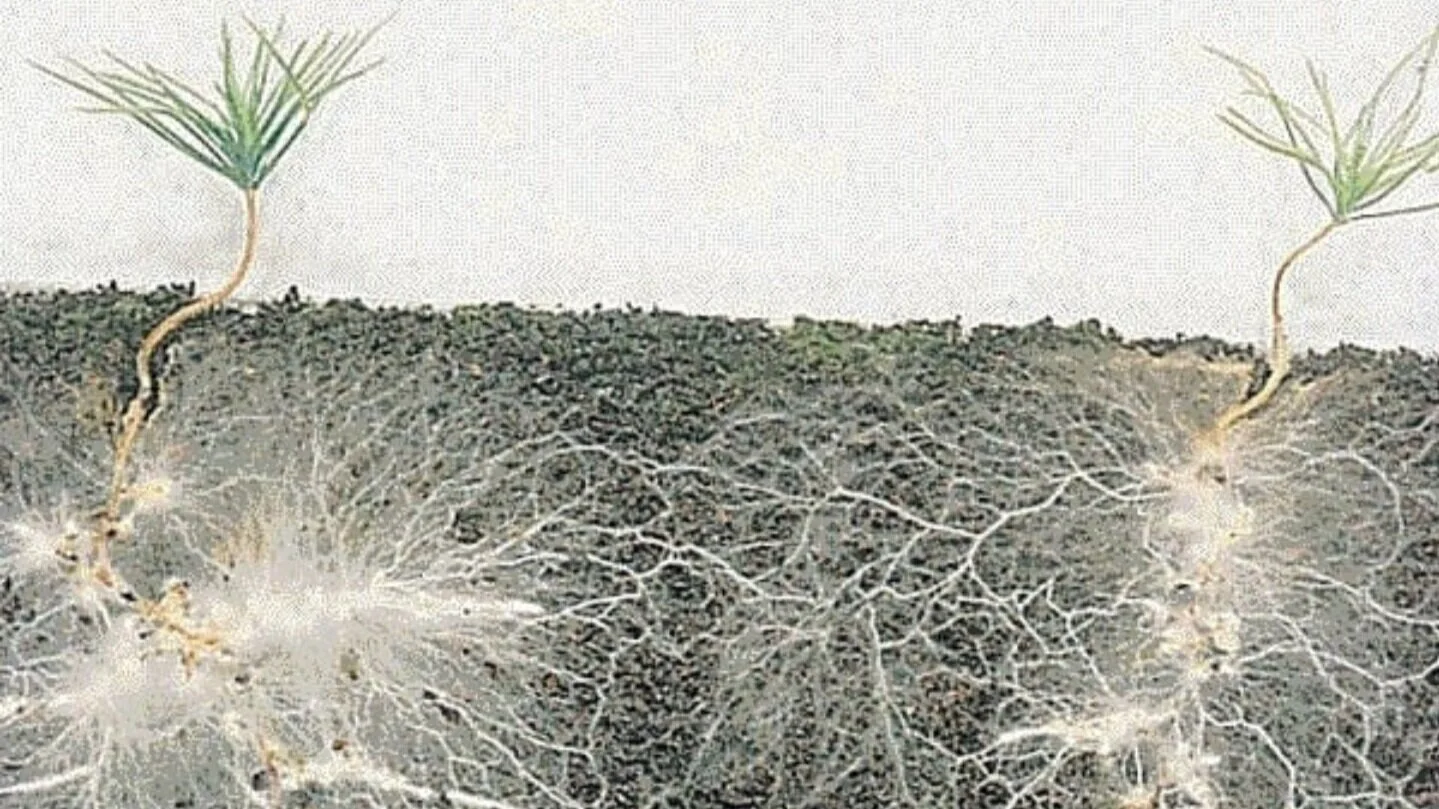
Among all the soil organisms that compost supports, one group deserves special attention: mycorrhizal fungi. These are fungi that form an intimate partnership with plant roots. The fungal threads (hyphae) grow out from the root into the surrounding soil, extending the plant’s effective root system by up to 1,000 times. In exchange for sugars from the plant, the fungi deliver water and nutrients — especially phosphorus — from soil zones the roots could never reach alone.
mycorrhizal fungi and plant roots
💡 Simple Analogy
Imagine Your Root as a Water Pump
A plant root on its own can only access nutrients within a few millimetres of its surface — like a pump that can only draw water from a very small area around it. Mycorrhizal fungi are like adding hundreds of kilometres of extra pipe to that pump. Suddenly it can draw from a vastly larger area of soil, reaching nutrients that were physically too far away before.
These fungi thrive in soils rich in organic matter and compost. They are suppressed and killed by excessive synthetic fertilizer use and by soils with very low organic carbon. Compost is one of the most effective ways to rebuild and maintain a strong mycorrhizal community in your soil.
The Phosphorus Problem: Why Kenyan Farmers Overspend on DAP
Let us talk about phosphorus — because this is one of the most common and costly problems on Kenyan farms, and compost is directly part of the solution.
Phosphorus (P) is the second most important macronutrient after nitrogen for most crops. It is essential for root development, energy transfer within the plant, flowering, and grain filling. Nearly every maize farmer in Kenya applies DAP (Di-Ammonium Phosphate) at planting, which contains phosphorus. Yet phosphorus deficiency remains one of the most widespread nutrient problems on Kenyan farms.
Why? Because phosphorus is immobile in soil. Unlike nitrogen — which dissolves in water and moves through the soil — phosphorus barely moves at all. Worse, it reacts strongly with other soil elements: in acidic soils (common in the Kenyan highlands), it binds tightly to iron and aluminium compounds and becomes completely unavailable to the plant. In alkaline soils, it locks onto calcium. Soil scientists call this “phosphorus fixation,” and it means that a significant portion of every bag of DAP you apply — sometimes more than 80% — is fixed within weeks and cannot be taken up by the crop.
🔒
Why Phosphorus Gets “Locked” — and How Compost Unlocks It
🚫
Without Compost: Phosphorus Lock-Up
DAP is applied in an acidic, low-organic-matter soil. The phosphorus immediately reacts with iron and aluminium in the soil and becomes fixed — converted to insoluble compounds the plant cannot absorb. The farmer gets little return on the investment. The phosphorus accumulates in the soil in a locked form, season after season.
✅
With Compost: Phosphorus Mobilised
Compost does three things simultaneously: (1) Organic acids released during decomposition dissolve fixed phosphorus compounds, releasing previously locked P back into the soil solution. (2) Phosphate-solubilising bacteria — abundant in quality compost — produce acids that convert fixed phosphorus into plant-available forms. (3) Mycorrhizal fungi fed by compost organics extend roots to physically reach phosphorus in areas that would otherwise be inaccessible. The result: more of the phosphorus already in your soil — including from previous DAP applications — becomes available to your crop.
🔬
Know Your Soil’s Phosphorus Status
A CropNuts soil analysis reveals the available phosphorus level in your soil, as well as the pH and organic matter percentage that determine how much of your applied P is being fixed. Many farmers discover that their soils are already loaded with accumulated — but locked — phosphorus from years of DAP applications. With the right organic matter management and pH correction, that locked phosphorus becomes available without buying more.
Cation Exchange Capacity (CEC): Your Soil’s Nutrient-Holding Bank
Now we come to one of the most important — and least understood — soil properties: Cation Exchange Capacity, or CEC. Do not let the name put you off. It is a straightforward concept, and once you understand it, you will understand something fundamental about why some soils respond so well to fertilizer while others seem to absorb input after input with little to show for it.
🔬 Key Concept
What Is Cation Exchange Capacity (CEC)?
Most of the nutrients that plants absorb through their roots are positively charged ions called cations — this includes calcium (Ca²⁺), magnesium (Mg²⁺), potassium (K⁺), and ammonium (NH₄⁺, the form of nitrogen most roots take up). These nutrient cations are held on the surface of soil particles — mainly clay particles and, crucially, organic matter particles — by a weak electrical attraction, like tiny magnets.
CEC is the measure of how many of these nutrient “parking spaces” your soil has — its total capacity to hold positively charged nutrients against leaching and in a position where plant roots can exchange them into the root.
The unit of CEC is cmol/kg (or meq/100g). Sandy soils with low organic matter can have a CEC as low as 2–5 cmol/kg. Rich clay soils with high organic matter can reach 30–40 cmol/kg or above. The higher the CEC, the more nutrients the soil can hold and supply to the plant.
Here is why this matters so directly to your fertilizer spending and your yields:
🏦 Think of CEC as the Size of Your Soil’s Nutrient Bank
❌ Low CEC Soil (Under 10 cmol/kg)
Like a bank with very few safe deposit boxes. You deposit fertilizer (nutrients), but the soil cannot hold it all. Heavy rain washes the excess straight through the profile — leaching — before roots can absorb it. You end up applying more fertilizer more often just to maintain adequate levels. Nitrogen, potassium and calcium are particularly vulnerable to leaching in low-CEC soils.
✅ High CEC Soil (20 cmol/kg and above)
Like a bank with many safe deposit boxes. Nutrients applied as fertilizer are captured and held by the soil, protected from leaching, and released to plant roots gradually throughout the season. You need to apply less, lose less, and get more back from every bag you buy. The plant has a continuous, reliable supply of nutrients at its roots throughout its growth cycle.
The single most effective way to raise CEC in most Kenyan soils is to increase organic matter through regular compost application. Organic matter has a CEC 4–8 times higher than clay, making it the most potent CEC-raising amendment available to smallholder farmers.
This is the mechanism that explains why farmers on high organic matter soils need less fertilizer to achieve the same yields as farmers on depleted soils. Their soil is holding and supplying nutrients efficiently. The fertilizer they apply is not being wasted — it is being stored, exchanged, and delivered to the root precisely when the plant needs it.
🔬
CropNuts includes CEC in their soil analysis report. If your soil’s CEC is low — which is a common finding on continuously cropped Kenyan farms — it explains directly why your fertilizer responses have been disappointing, and gives you a clear target to work towards through regular compost application. Contact Shamba Mtaani to arrange a CropNuts soil test for your farm.
Putting It All Together: What Happens in a Soil With Good Compost
Let us connect all of these concepts into a picture of what a well-composted, biologically active Kenyan farm soil actually does for your crop — from the moment a seed is planted to harvest.
At germination: The seed germinates into a soil with a healthy microbial community. Mycorrhizal fungi attach to the emerging root within days and immediately begin extending its nutrient-gathering reach. Phosphate-solubilising bacteria mobilise phosphorus from fixed forms in the soil — adding to the DAP you applied without any extra cost.
During vegetative growth: The high CEC of the organic-matter-rich soil holds the CAN nitrogen you top-dressed, releasing it steadily to the plant throughout the leaf expansion period rather than losing it to leaching in the first heavy rain. Humic acids carry micronutrients to the root surface, supplementing the major fertilizers with zinc, iron, and other elements that conventional fertilizer programmes rarely address.
At flowering and grain fill: The soil’s biological activity continues to mineralise organic nitrogen and phosphorus, providing a sustained background supply of nutrients during the reproductive stage when demand is highest. The improved soil structure means roots have penetrated deeply, accessing moisture reserves during any mid-season dry spell that would stress a shallower root system.
After harvest: The organic matter in the soil continues to cycle, rebuilding for next season. The mycorrhizal network remains intact if residues are retained rather than burned. The soil is fractionally more fertile than it was at the start of the season — rather than fractionally more depleted.
This is the compounding advantage of compost-based soil management. Each season builds on the last. Each season’s fertilizer goes further. Each season’s yield is a little higher for the same input cost.
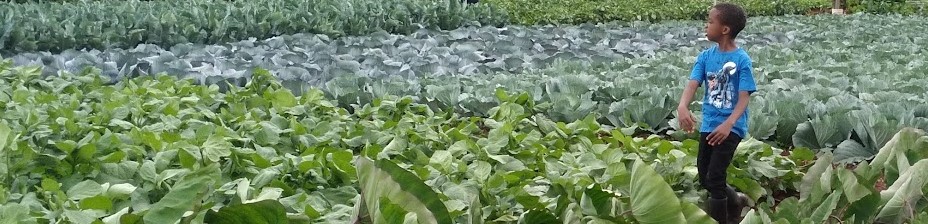
vegetable crop growing vigorously, result of good soil health practices
Signs Your Soil May Be Depleted of Organic Matter
Many farmers already sense that something is wrong with their soil — they just cannot name it. Here are the most common signs that your soil’s organic matter, microbial life and CEC are in serious decline:
What You Observe
What It May Indicate
What Compost Addresses
Yields declining despite same or more fertilizer
Low CEC — nutrients being lost, not held. Declining microbial activity reducing nutrient cycling.
Raises CEC; rebuilds microbial community; improves fertilizer use efficiency
Soil hard and compacted, poor water infiltration
Loss of soil structure and organic matter — soil particles have collapsed without the binding effect of organic aggregates
Humic acids and microbial activity rebuild soil aggregates and improve structure
Water runs off during rain instead of soaking in
Soil has lost the sponge-like water absorption capacity that organic matter provides
Organic matter dramatically improves water infiltration and retention
Crops pale, yellowing even after nitrogen application
Nitrogen leaching due to low CEC; micronutrient deficiencies due to low humic acid and poor microbial activity
Better N retention via higher CEC; micronutrient chelation via fulvic acids
Slow germination and poor early establishment
Lack of mycorrhizal fungi and phosphate-solubilising bacteria at the root zone
Compost re-inoculates soil with beneficial organisms that support germination and root development
Crops more susceptible to drought mid-season
Low water-holding capacity; shallow roots due to compaction; poor mycorrhizal support
Improves water retention; improves root depth and mycorrhizal water extraction
Pale, thin soil surface — no earthworms visible
Biological collapse — no food source for soil organisms; severely depleted organic carbon
Restores organic carbon as food source for earthworms and the entire soil food web
⚠️
If you recognise three or more of these signs on your farm, your soil’s productive capacity is significantly below what it should be. The encouraging news: all of these conditions are reversible — and regular compost application is the single most impactful thing you can do to address them. But to know exactly how depleted your soil is and what it most urgently needs, a soil test is the place to start.
Know Your Soil: The Case for Testing Before You Spend
Everything we have discussed — organic carbon, CEC, phosphorus availability, pH — can be measured. You do not need to guess whether your soil has a phosphorus lock-up problem, or whether your CEC is too low to retain the fertilizer you apply, or whether your organic matter is critically depleted. A laboratory soil test tells you exactly where your farm stands — and what to prioritise.
🔬
Get Your Soil Tested Through CropNuts — via Shamba Mtaani
Shamba Mtaani works with CropNuts (Crop Nutrition Laboratory Services) — East Africa’s leading ISO-accredited agricultural laboratory, with over 20 years of experience serving Kenyan farmers. A CropNuts soil analysis report tells you your soil’s pH, organic matter percentage, CEC, available phosphorus, nitrogen, potassium, calcium, magnesium, micronutrients, and more — with specific, data-driven recommendations for your farm.
Contact us to arrange soil sampling and submission. Understanding your soil is the most important investment you can make before the next planting season.
One final point that matters enormously: the quality of compost varies widely. Compost made from poor-quality materials, composted for insufficient time, or produced without proper management can be immature, low in beneficial microorganisms, high in weed seeds or pathogens, and limited in humic acid content.
Quality compost — made from diverse organic materials, fully matured, and rich in microbial life — delivers all the benefits described in this article. Poor-quality compost delivers few of them, and can even harm young plants through phytotoxic compounds produced by incomplete decomposition.
When you buy compost, you are buying biology as much as you are buying chemistry. The microbial inoculant, the humic acid content, the maturity of the material — these are what separate a compost that transforms your soil from one that merely darkens it temporarily.
🌱
Shamba Mtaani Compost
Ksh 1,500 / 50 kg bag
Naturally composted vegetable material. Increases organic matter, loosens clay soils, improves water retention in sandy soils, supports microbial activity, and supplies micro-nutrients. Ready to apply — no preparation needed.
If your yields have been disappointing — if your fertilizer does not seem to go as far as it used to — if your soil looks pale and lifeless rather than dark and crumbly — your land is asking for something that a bag of CAN cannot supply. It is asking for organic matter. It is asking for carbon. It is asking for biology.
Compost is not in competition with conventional fertilizers. It is the platform that makes them work properly. A soil rich in organic matter, humics, and microbial life takes the fertilizer you apply and converts it into yield with maximum efficiency. A depleted soil wastes most of what you put on it.
The path forward is not complicated. Apply compost regularly — build your soil’s organic matter, CEC and biological activity season by season. Get your soil tested so you know exactly where your farm stands and what it needs most. And combine the best of both worlds: organic inputs to build the soil, and targeted conventional fertilizers to feed the crop.
Your soil has the potential to be your most productive asset. Compost is how you unlock it.
Build the Soil Your Crops Deserve
Order Shamba Mtaani Compost or EM 1 for your next season, and contact us to arrange a CropNuts soil test — so you know exactly what your land needs.